Detroit beat essentials for hard-hitting 2026 tracks that knock in cars and clubs
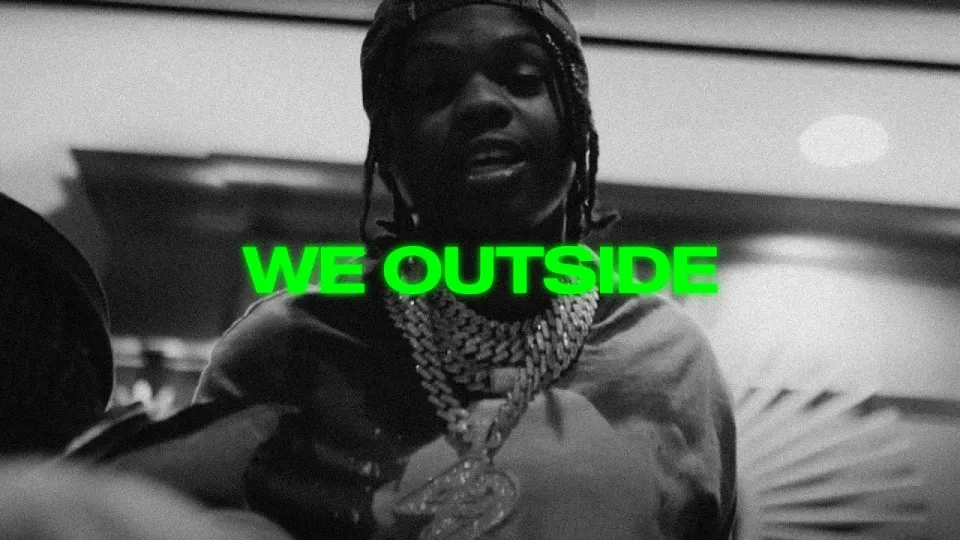
Video: (FREE) HARD DETROIT TYPE BEAT 2024 - "WE OUTSIDE"
Want articles like this for your own video to promote it on YouTube and Google? Order them through the Telegram bot @sat_sit_bot. It writes articles around your video, embeds the video and publishes them on popular niche websites (no ads). Try it free: 50 articles on us.
· based on the channel davegotbeats
A Detroit beat is a rap instrumental built on fast, aggressive drums, sliding 808 bass and short melodic loops that leave room for punchy, off-beat vocal delivery. The hard Detroit style takes that template and pushes it louder and darker, which is why it works so well for street tracks, workout music and car-test anthems. One clear example is "WE OUTSIDE" by davegotbeats, a free hard Detroit type beat you can grab through the purchase and download page, where a buy-two-get-two-free offer is also listed.
What makes a Detroit beat sound hard
A hard Detroit beat is defined less by one sound and more by how the layers are stacked. The drums usually run fast, but the bass and the main loop sit in a slower halftime feel, so the track feels both urgent and heavy. Producers often describe this as a "fast-slow" pocket, and it is the reason a Detroit instrumental can sound frantic on the hi-hats while the 808s drag behind the beat.
The core elements are consistent:
- Tempo between 140 and 160 BPM, with the snare or clap landing on the third beat to create the halftime pulse.
- Sliding 808 bass, tuned to the key of the loop, with pitch bends that answer the melody.
- Sharp, dry snares and claps, often layered with a short rimshot for attack.
- Fast hi-hat rolls, including triplet patterns and occasional open-hat accents.
- A short melodic loop, usually dark piano, plucked synth or a filtered sample, that repeats with small variations.
- Minimal mid-range, so the vocal sits clearly on top without fighting the beat.
The result is a beat that sounds busy at low volume but leaves a wide gap for a rapper. That gap is the real signature: Detroit beats are aggressive, but they are also arranged to let the artist lead.
How "WE OUTSIDE" fits the hard Detroit template
The track "WE OUTSIDE" from the channel davegotbeats is a free hard Detroit type beat built for exactly this kind of vocal. It is tagged as a 2024 release and offered as a free download, with the producer noting that a license is required for streaming on platforms such as Apple Music and Spotify. That distinction matters: free to download for practice or non-commercial use, paid license for release.
The description also points to a bundle of more than 15 free beats at davegotbeats.net, and the pinned comment advertises a buy-two-get-two-free deal on the same purchase page. For an artist building a catalog, that kind of offer changes the math, because you can license several beats at once instead of paying per track.
How to write and record over a hard Detroit beat
Writing to a Detroit instrumental is mostly about rhythm. The beat already supplies the energy, so the vocal does not need to shout every bar. A steady, conversational delivery with sudden bursts of speed usually cuts through better than a constant double-time flow.
A practical workflow looks like this:
- Loop the first eight bars and hum a cadence before writing any words. Find where the snare lands and let your stressed syllables fall near it.
- Write a hook that uses fewer words than the verses. Short phrases repeat better over a busy beat.
- Record a scratch take at full speed, then try the same verse at 0.90x speed to hear the pocket more clearly. Several listeners under the video mention slowing the beat down, and it is a common trick for locking in flow.
- Double the hook and ad-lib the gaps. Detroit beats usually have open space between the loop hits, which is where ad-libs sit best.
- Check the mix on a phone speaker and in a car. These beats are built for loud playback, and the 808 will behave differently in each system.
If the beat feels too crowded, simplify the vocal rather than the instrumental. The drums are the identity of the genre; the rapper's job is to find the holes in them.
Common questions from artists picking a Detroit beat
The comments under hard Detroit type beats reveal a few recurring concerns. One is whether a free beat can be used for a real release. The answer depends on the license: a free download usually covers practice, demos and non-monetized uploads, while distribution to Spotify, Apple Music and similar platforms requires a paid license, which the producer states directly in the video description.
Another common point is tempo and speed. Artists frequently ask whether a beat is too fast, and the practical fix is to test it at 0.90x or 0.95x before deciding. If the flow sits better slower, you can either record at that speed and pitch the vocal back up, or ask the producer for a slower version, which many are willing to provide.
A third theme is collaboration. Under "WE OUTSIDE" you can see listeners claiming they already recorded over it and pointing to their own uploads, which is normal for free beats. If you plan to release, confirm the license first so the upload is not taken down later. A fourth theme is simple encouragement: producers rely on comments and shares, and a beat that gets traction often gets a sequel or a remix pack.
How to choose between free and licensed Detroit beats
Choosing a beat is a budget decision as much as a creative one. Free beats lower the barrier to entry and let you test whether a style fits your voice. Licensed beats give you the rights to distribute, monetize and, in many cases, register the song with a distributor without risking a claim.
A simple rule: use free downloads to write and rehearse, then license the one or two beats you actually finish. Bundles such as buy-two-get-two-free make that step cheaper, and they also let you plan a small EP instead of a single. When you license, keep the receipt and the license terms in the same folder as the project file, so you can prove usage later if a platform asks.
Useful links
- Purchase and download "WE OUTSIDE": https://bsta.rs/XPubtt
- More than 15 free beats: davegotbeats.net
- Contact for questions or custom work: davegotbeats1@gmail.com
Final thoughts on hard Detroit beats
A hard Detroit beat is a tool, and like any tool it works best when the artist understands what it is built to do. Fast drums, sliding 808s and a dark, repetitive loop create pressure that a calm, precise vocal can ride instead of fight. "WE OUTSIDE" is a clean example of that formula, and it is available as a free download with a paid license for streaming. If you want to test the style, start with the free version, write a hook, and see how your voice sits on it. When you are ready to release, grab the license through the purchase page and check the bundle offer before you buy. This breakdown was prepared by the team behind the davegotbeats channel, which produced the beat discussed here.
Key takeaways
- Hard Detroit type beats usually sit between 140 and 160 BPM with a halftime feel.
- The signature sound is aggressive 808 slides, sharp snares and short dark piano or synth loops.
- "WE OUTSIDE" by davegotbeats is a free hard Detroit type beat with a paid license needed for streaming.
- A free download link and a buy-two-get-two-free offer are listed under the video.
- Rappers often test these beats at 0.90x speed to find a pocket before recording.
Source: (FREE) HARD DETROIT TYPE BEAT 2024 - "WE OUTSIDE" · Markdown version
Questions & answers
Can I release a song on Spotify using a free Detroit type beat?
Only if the license allows it. Free downloads are typically for demos, practice and non-monetized use, while distribution to Spotify, Apple Music and similar platforms requires a paid license. The description of "WE OUTSIDE" states this directly, so confirm the terms before you upload.
What tempo should a hard Detroit beat be?
Most hard Detroit type beats sit between 140 and 160 BPM with a halftime feel, so the snare lands on the third beat. If a beat feels too fast for your flow, try it at 0.90x or 0.95x speed before deciding it does not fit.
How do I make my vocals cut through a busy Detroit beat?
Keep the delivery steady and let stressed syllables land near the snare, then double the hook and place ad-libs in the open gaps. The beat already carries the energy, so a controlled vocal with sudden bursts of speed usually works better than constant double-time rapping.
Is it worth buying a beat bundle instead of a single license?
Bundles lower the cost per beat and let you plan several tracks at once, which helps if you are building an EP. Offers such as buy-two-get-two-free are advertised on the purchase page, so compare the bundle price against buying singles before you decide.